Yes, double glazing improves an EPC rating, but by far less than most landlords expect: replacing every single-glazed window in a house typically adds 2 to 10 SAP points, at a cost of £3,000 to £8,000. That is roughly £650 per point, which makes new windows the worst-value EPC measure on the list. Loft insulation, a cylinder jacket and LED lighting each move the score for a fraction of the money.
This guide covers why the gain is so small, when new windows are still worth it, what secondary glazing scores on period and listed properties, cost per window, and what to do first.
How many EPC points does double glazing add?
The two published ranges on this site sit close together. Our E to C upgrade guide puts full replacement of single glazing at 2 to 5 SAP points for £3,000 to £8,000. Our cost-per-point ranking puts it at 5 to 10 points for the same money, about £650 per point. The gap between the two is mostly about how much of the house was single glazed to begin with: a fully single-glazed Victorian terrace sits at the top of the range, a house with three remaining single-glazed windows sits at the bottom.
For scale, band D is 55 to 68 SAP points and band C is 69 to 80, so a band D property needs between 1 and 14 points. Double glazing on its own closes that gap only for a property already within a few points of the line.
| Measure | Typical SAP gain | Typical cost | Cost per point |
|---|---|---|---|
| Hot water cylinder jacket | 1 to 3 | £15 to £25 | about £8 |
| LED lighting (all fixed fittings) | 3 to 8 | £100 to £300 | about £30 |
| Loft insulation top-up to 270mm | 5 to 15 | £300 to £600 | about £40 |
| Heating controls (TRVs, programmer) | 3 to 8 | £200 to £500 | about £60 |
| Cavity wall insulation | 10 to 20 | £500 to £1,500 | about £65 |
| Double glazing (replacing single) | 2 to 10 | £3,000 to £8,000 | about £650 |
| Solar PV (3 to 4kWp) | 5 to 10 | £5,000 to £8,000 | £600 to £800 |
Gains are indicative. The recommendations page of your current certificate gives the modelled figure for your specific property.
Why does double glazing move the EPC score so little?
Windows are a small share of heat loss
GOV.UK's glazing factsheet, produced with the Energy Saving Trust, puts heat loss through windows at 18% of the total for a typical home. Walls, roof, floor and ventilation account for the rest. Single glazing loses heat about twice as fast as standard double glazing, so replacing it halves an 18% slice. Loft insulation on an uninsulated roof removes a much larger slice for a tenth of the money.
The EPC scores running cost
SAP scores a property on modelled energy cost per square metre. The Energy Saving Trust's current figure for fitting A-rated double glazing throughout an entirely single-glazed semi-detached house is a saving of £85 a year in Great Britain, for a set of windows costing around £4,800. Its 2016 factsheet gave a similar spread: £65 to £85 a year for a mid-terrace, £120 to £155 for a detached house. A saving that size registers on the certificate. It does not jump a band.
The assessor models a default U-value, whatever you buy
RdSAP 10, the assessment method in force since June 2025, does not reward premium windows. Table 24 of the BRE RdSAP 10 specification assigns default U-values by glazing type and installation date. The double-glazing improvement itself is modelled at a whole-window U-value of 1.4 W/m²K. Triple glazing installed since 2022 gets the same 1.4. A £12,000 triple-glazed package therefore scores identically to a £4,800 A-rated double-glazed one unless the assessor is given BFRC-certified data for the actual units.
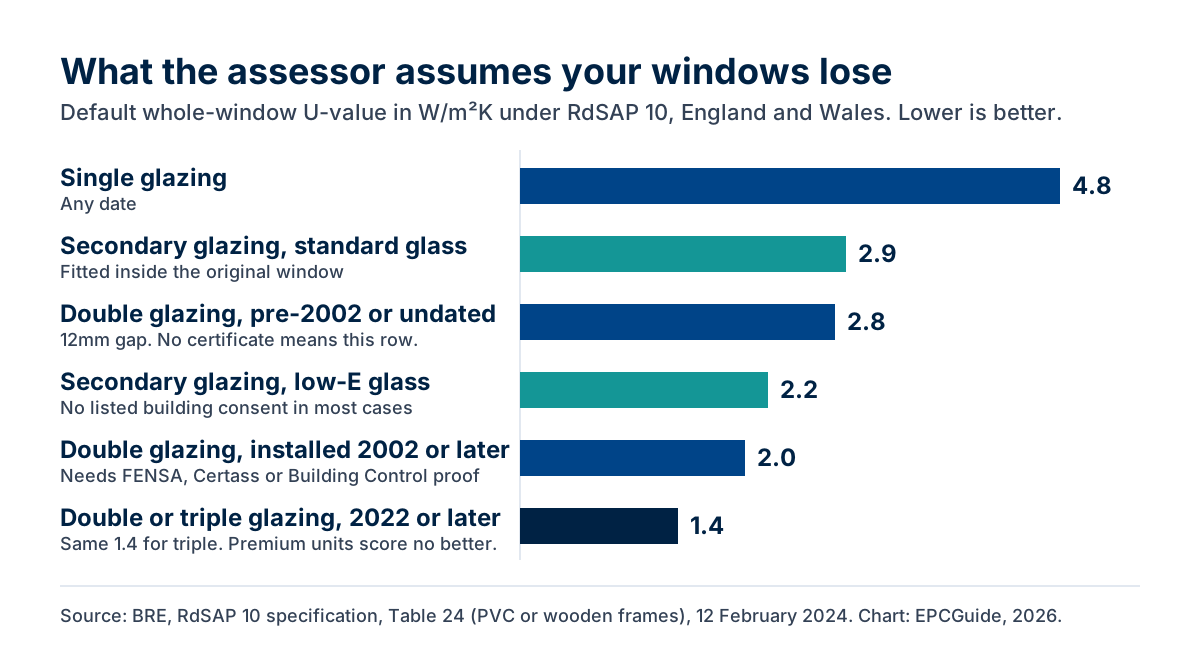 The assessor does not measure your windows. They look up a default: single glazing is 4.8 W/m²K, undocumented double glazing is treated as pre-2002, and only paperwork moves it down the ladder.
Is your existing double glazing being scored as poor?
This is the part the top-ranking articles skip. For many landlords it is worth more than any new window.
Under RdSAP 10 the assessor records the installation date of double glazing in three bands. In England and Wales: before 2002 (U-value 2.7 to 3.1 depending on the gap between panes), 2002 or later (2.0), and 2022 or later (1.4). Double glazing with an unknown installation date goes in the pre-2002 row. Without documentary evidence, a 2015 uPVC window is scored as if it were a 1995 one, with a U-value twice the 2022 default.
The fix costs nothing. Find the FENSA or Certass certificate, the Building Control completion notice or the installer's dated invoice, and hand it to the assessor before the survey. Windows fitted in 2002 or later move from 2.8 to 2.0; windows fitted from 2022 move to 1.4. On a house where every window was replaced in the 2010s, correcting the age band alone can be worth several points, for the price of a phone call to the installer.
Check your current certificate on the postcode EPC lookup. If the windows section says "installed before 2002" or "unknown date" and you know otherwise, that is the cheapest EPC win available.
When is double glazing still worth doing?
Cost per point is the wrong measure when the windows need replacing anyway. Four situations justify the spend.
The frames are at end of life. Rotten timber, failed seals, misted units, sashes that no longer open. Once you are paying for replacement regardless, the EPC gain is a free bonus. Order the new windows to at least the 1.4 W/m²K standard the assessor models and keep the FENSA or Certass certificate for the next survey.
The property sits 2 or 3 points below band C. If the recommendations page shows the glazing measure closing the gap on its own, with the cheaper measures already done, new windows are the remaining lever. Model it first on the EPC predictor.
Void periods. A prospective tenant sees condensation, draughts and noise at the viewing, before they read the EPC. Our property value guide covers the link between rating and rent; the letting effect of new windows is separate from the certificate.
A persistent condensation or mould complaint. Cold glass is where condensation forms first. If mould keeps returning around single-glazed windows, the window is a habitability fix and the EPC gain is incidental.
What the spend does not do is protect you under MEES today. Band E has been the legal minimum in England and Wales since 1 April 2020, with a £3,500 cost cap including VAT and a £5,000 maximum penalty per property, all confirmed in GOV.UK's landlord guidance, last updated 5 May 2026. That guidance lists "replace single glazed windows with low-E double glazed windows" at £3,300 to £6,500 as a recognised improvement. A full window job would exhaust the £3,500 cap on its own. The band C standard from 1 October 2030, the £10,000 cap and the £30,000 penalty were proposed in the government response of 21 January 2026. None of them is law.
What does secondary glazing score on an EPC?
Secondary glazing is an independent pane fitted to the room side of the existing window, leaving the original frame untouched. It is the route for Victorian sash windows, conservation-area properties and listed buildings where replacement is refused or unwelcome.
RdSAP 10 models it at a U-value of 2.9 W/m²K, or 2.2 with low-emissivity glass. That is close to pre-2002 double glazing and roughly halves the heat loss of single glazing at 4.8. Historic England's research found that heat loss through the window as a whole can be cut by over 60% with low-E secondary glazing, with better noise reduction than double glazing and easy reversibility.
One assessment detail matters: the assessor's software only offers secondary glazing as a recommendation once the double-glazing measure is cancelled, so on a listed house ask the assessor to note the heritage constraint.
On consent: Historic England states that installing secondary glazing does not generally need listed building consent, with a short list of exceptions in its Listed Building Consent advice note. Replacement windows in a listed building do need consent. Where consent is refused for the measures on your certificate, that refusal is the evidence for a third-party consent exemption on the PRS Exemptions Register, covered in our exemptions guide.
| Option | RdSAP U-value (W/m²K) | Typical cost | Listed building consent |
|---|---|---|---|
| Single glazing (existing) | 4.8 | none | n/a |
| Draught-proofing existing windows | 4.8, draught-proofing recorded separately | £20 to £40 DIY, more for sash | Not for self-adhesive strips |
| Secondary glazing, standard | 2.9 | £100 to £300 per window | Not generally needed |
| Secondary glazing, low-E | 2.2 | £100 to £300 per window, upper end | Not generally needed |
| Replacement double glazing, 2022 standard | 1.4 | £3,000 to £8,000 per house | Required |
How much does double glazing cost per window?
Whole-house figures are better sourced than per-window ones. GOV.UK's MEES guidance quotes £3,300 to £6,500 for replacing single glazing with low-E double glazing. The Energy Saving Trust quotes around £4,800 for a set of A-rated windows on a semi-detached house. Our own cost data runs £3,000 to £8,000 for a full house.
Divide those by a typical window count of 8 to 12 and you get roughly £400 to £650 per standard uPVC casement, fitted. Bays, timber sashes and aluminium or hardwood frames cost more. Secondary glazing runs £100 to £300 per window.
Three cost rules: get three quotes, as the GOV.UK factsheet advises; use a Competent Person scheme installer (FENSA, Certass) so the Building Regulations certificate arrives automatically; ask for the whole-window U-value in writing, 1.4 W/m²K or better. Run the numbers against rent and void risk in the ROI calculator before signing.
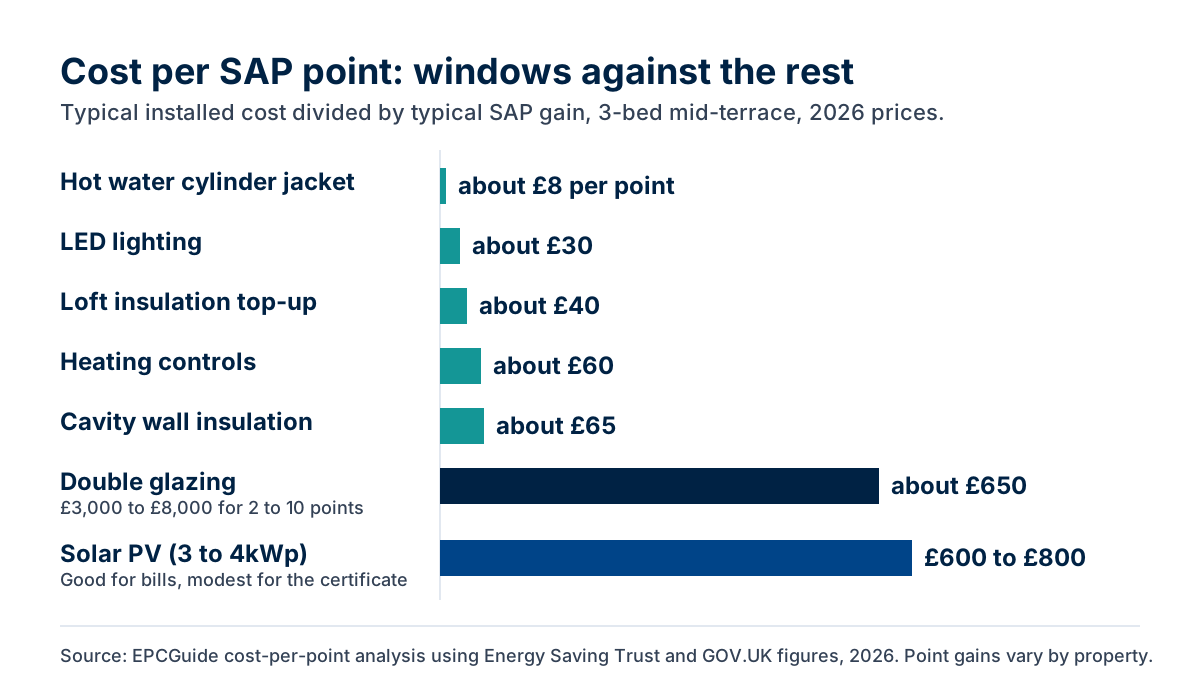 Ranked by cost per point, double glazing sits at the bottom of the list. Do the top five before you price a single window.
What should landlords do before paying for new windows?
Work down the list in this order. Stop when the EPC predictor shows you have crossed the line you are aiming for.
1. Correct the record
Dig out the certificates for any existing double glazing and give them to the assessor. Zero cost, possibly several points.
2. Quick wins under £100
Hot water cylinder jacket, LED bulbs in every fixed fitting, DIY draught-proofing of doors, loft hatch and window edges. Combined, 5 to 8 points. Historic England describes draught-proofing as the biggest energy saving for the lowest cost on historic windows, and self-adhesive strips need no consent.
3. Fabric
Loft insulation to 270mm, then cavity wall insulation where a cavity exists. Insulate before you touch heating, so any new boiler or heat pump is sized for the warmer building.
4. Controls and heating
Programmer, room thermostat and TRVs. Only then look at a boiler or heat pump.
5. Reassess
Book a fresh EPC. Most band D properties have reached C by this point without a window being touched. If not, you now know exactly how many points remain.
The full ranking with payback times is in our cheapest EPC improvements guide.
Frequently Asked Questions
How many EPC points does double glazing add? Typically 2 to 10 SAP points for replacing every single-glazed window in a house, with most properties landing at the lower end. The gain depends on how many windows were single glazed and how large they are. Your current certificate's recommendations page gives the modelled figure for your property.
Can double glazing take a property from EPC D to C? Only if the property is already within a few points of band C, which starts at 69. A band D property needs between 1 and 14 points, so windows alone close the gap for the upper part of band D. Loft insulation and heating controls usually get there first for less.
Does triple glazing score higher than double glazing on an EPC? Not under RdSAP 10 defaults. Double and triple glazing installed since 2022 are both assigned a U-value of 1.4 W/m²K unless the assessor is given certified BFRC data for the specific units. Triple glazing improves comfort and noise but rarely the certificate.
Why does my EPC say my double glazing is poor? The assessor recorded it as installed before 2002 or of unknown date, which carries a default U-value of 2.7 to 3.1. Without a FENSA or Certass certificate, Building Control notice or dated invoice, the assessor has to use that row. Supplying the paperwork moves windows fitted from 2002 to a U-value of 2.0, or 1.4 if fitted from 2022.
Does secondary glazing improve EPC rating? Yes. RdSAP 10 models secondary glazing at 2.9 W/m²K, or 2.2 with low-emissivity glass, against 4.8 for single glazing. It costs £100 to £300 per window and does not generally need listed building consent. Historic England's research found low-E secondary glazing cuts heat loss through the window by over 60%.
Is there a grant for double glazing for landlords? Not as a stand-alone measure. ECO4 and the Boiler Upgrade Scheme fund insulation and heating; neither lists window replacement as a primary measure. Local authority schemes vary by postcode, so run the grant checker before assuming you will pay in full.
Do I need double glazing to meet the legal minimum EPC standard? No. The legal minimum for a let property in England and Wales is band E, with a £3,500 cost cap and a £5,000 maximum penalty. Many single-glazed properties already hold a D or E. The band C standard from October 2030 is a government proposal that has not become law, so there is no current legal requirement to replace windows.
Does double glazing count towards the MEES cost cap? Yes, if it is a measure recommended on your EPC and you are below band E. Spending on recommended improvements counts towards the £3,500 cap in force today. A full window replacement would exhaust that cap on its own, which would support a high-cost exemption if the property still fell short of E.