HMO EPC Upgrade Guide
EPC requirements for Houses in Multiple Occupation, and how they sit alongside licensing compliance
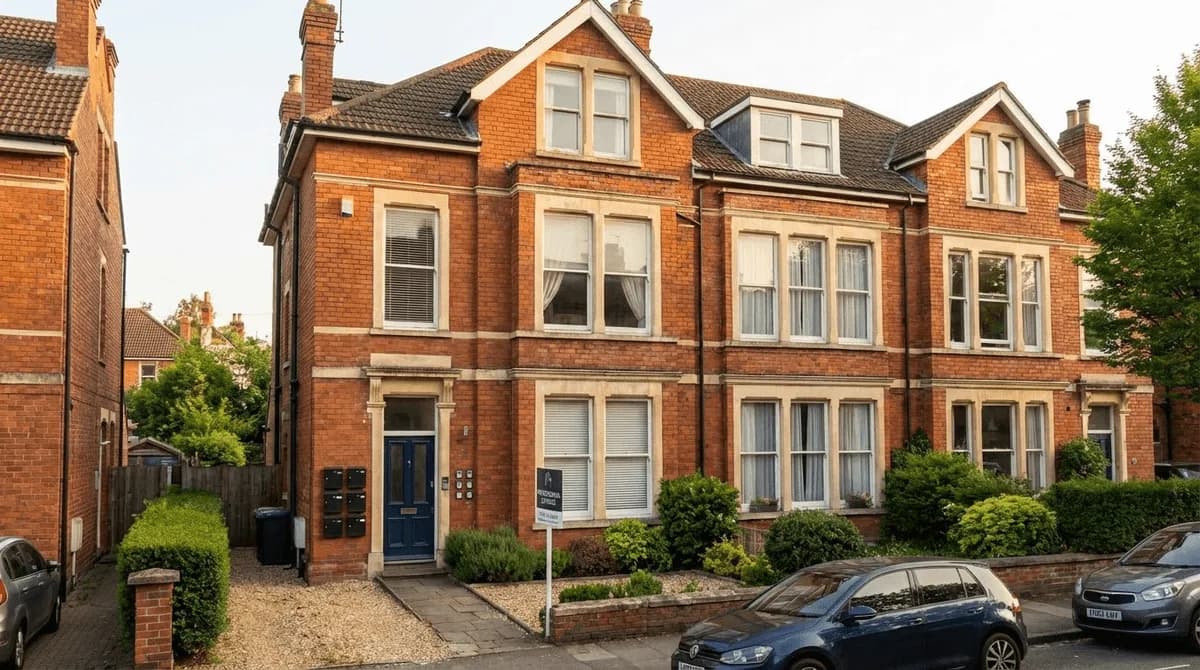
Houses in Multiple Occupation (HMOs) present unique challenges for EPC compliance. These shared properties, where three or more tenants from different households share facilities, are subject to additional regulations beyond standard rental properties. HMO status isn't recorded on EPC certificates, so there is no official national figure for HMO energy ratings. Across the private rented sector as a whole, 49% of homes sit below EPC C.
HMO landlords must balance EPC improvement works with licensing requirements, fire safety regulations, and the practical challenges of upgrading occupied properties. This guide explains how to handle these complexities while achieving compliance cost-effectively.
Understanding HMO EPCs
Whole Building EPC
Applies to most HMOs where tenants share facilities:
- -Shared kitchen HMOs
- -Student houses let to groups
- -Professional house shares
- -Licensed HMOs with communal areas
Per-Unit EPCs
Required for self-contained flats within a building:
- -Converted flats with own facilities
- -Studio apartments
- -Bedsits with kitchenettes and en-suite
- -Purpose-built student studios
Common HMO Characteristics
HMOs are typically converted from larger family homes, which means they often inherit the energy efficiency challenges of their original construction period while facing additional complexities from conversion.
Typical Building Types
- -Large Victorian or Edwardian houses (most common)
- -1930s semi-detached converted to HMO
- -Purpose-built student accommodation
- -Converted commercial buildings
HMO-Specific Features
- -Multiple independent heating zones or room heaters
- -Shared common areas (kitchen, bathroom, lounge)
- -Fire doors and emergency lighting
- -Higher hot water demand than typical households
Unique HMO Challenges
1. Room-by-Room Heating Complexity
Many HMOs have individual room heaters or complex zoned heating systems to allow tenants control over their own space. This can complicate both the EPC assessment and improvement works. Replacing multiple electric heaters with a central system may require significant rewiring and pipework installation throughout the building.
2. Common Areas Complicate Assessment
Shared kitchens, bathrooms, and communal lounges are included in the whole-building EPC assessment. The energy use patterns of these spaces differ from typical residential use, and improvements must consider higher usage demands and multiple users.
3. HMO Licensing Requirements
HMO licensing may restrict certain alterations or require specific standards to be maintained. Some energy improvements may require notification to or approval from your local authority, particularly if they affect room sizes, fire escape routes, or amenity provision. Always check with your licensing officer before commencing works.
4. Fire Safety Conflicts
HMOs have stricter fire safety requirements that may conflict with some energy efficiency improvements:
- Internal wall insulation may affect fire door frame depths
- Loft conversions must maintain fire separation
- Some insulation materials have fire rating requirements
- Protected escape routes must not be compromised
5. Works in Occupied Property
Unlike single-let properties, HMOs often have continuous occupation with multiple tenants. Major improvement works must be carefully planned around tenant schedules, and may need to be phased room-by-room. This can increase costs and extend project timelines significantly.
Recommended Upgrades
HMO improvements must balance EPC gains with fire safety, licensing compliance, and practical considerations of working in occupied buildings. The following priorities reflect both EPC impact and HMO-specific suitability.
Priority Order for HMOs
HMO Upgrade Costs and EPC Impact
| Improvement | Low Estimate | High Estimate |
|---|---|---|
| Loft Insulation (to 270mm)Larger roof area typical in HMOs. 4-8 EPC points. | £500 | £1,000 |
| LED Lighting ThroughoutHigher number of fittings in HMOs. 2-4 EPC points. | £200 | £400 |
| Central Heating Controls UpgradeZone controls for different areas. 2-4 EPC points. | £400 | £800 |
| Hot Water System ImprovementsCylinder insulation, pipe lagging. 1-3 EPC points. | £300 | £600 |
| Condensing Boiler UpgradeMay need larger capacity for HMO demand. 5-10 EPC points. | £3,000 | £5,000 |
| Draught Proofing ThroughoutMore doors and windows to treat. 2-4 EPC points. | £400 | £800 |
| Double Glazing (if single glazed)Often many windows in larger HMOs. 5-10 EPC points. | £5,000 | £10,000 |
| Estimated Total | £9,800 | £18,600 |
Costs vary significantly based on HMO size, construction type, and current condition. The building type (Victorian, 1930s, etc.) will heavily influence wall insulation requirements.
Cost Estimates
HMO upgrade costs depend heavily on the original building type and current condition. A Victorian HMO will face similar challenges to any Victorian property, with additional complexity from the multi-occupancy configuration. For detailed cost breakdowns, see our complete cost guide.
Post-1980s HMO
£3,000 - £6,000
Modern construction with cavity walls. Mainly needs heating and control upgrades.
1930s-1960s HMO
£5,000 - £10,000
May need cavity wall insulation check plus comprehensive improvements.
Pre-1919 HMO
£8,000 - £18,000
Solid walls require more expensive solutions. Larger Victorian houses at the higher end.
Special Considerations
Fire Door Compatibility
If installing internal wall insulation, check that existing fire doors will still fit correctly within their frames. Fire doors must have specific gap tolerances to function correctly. You may need to replace fire doors and frames, adding significant cost to internal insulation projects.
Minimum Room Sizes
HMO licensing requires minimum room sizes for sleeping accommodation. Internal wall insulation reduces room dimensions by 50-100mm per wall. Before proceeding, calculate whether insulated rooms will still meet minimum size requirements. Rooms falling below minimums may need to be removed from the licence.
Heating System Capacity
HMOs have higher hot water demand than typical households due to multiple occupants. When upgrading boilers, ensure the replacement has adequate capacity for peak demand (typically early morning when multiple tenants shower). Consider larger cylinders or multiple heating zones.
Example Upgrade Pathway
Here is a realistic example of how a 6-bedroom Victorian HMO might progress from EPC rating E to C:
Case Study: 6-Bed Victorian HMO, Manchester
Starting
E48 points
Target
C69 points
Regional HMO Considerations
HMO regulations and support vary significantly by local authority, with different licensing requirements, grant availability, and enforcement approaches across the UK.
Manchester & Student Areas
Extensive HMO stock with active licensing schemes. Good ECO4 participation for eligible tenants. Competitive costs for works.
Manchester GuideLeeds & Yorkshire
Large student and professional HMO markets with established licensing. Regional cost advantages for improvement works.
Leeds GuideLiverpool & North West
Significant HMO stock in Victorian terraces. Active council energy schemes and competitive contractor pricing.
Liverpool GuideNext Steps
1. Confirm Your EPC Type
Speak to an EPC assessor experienced with HMOs to confirm whether you need a whole-building EPC or individual unit EPCs.
Find an EPC assessor2. Check Licensing Requirements
Contact your local authority HMO licensing team to understand any restrictions or requirements for improvement works.
HMO guidance on GOV.UK3. Review Fire Safety Implications
Consult with a fire risk assessor before planning works that could affect fire doors, escape routes, or fire separation.
MEES compliance checklist4. Plan Around Tenancy Periods
Schedule major works during void periods or summer vacations (for student HMOs) to minimise disruption and cost.
Use the Cost Calculator