Complete EPC Upgrade Cost Guide for Landlords
Everything you need to know about the costs of improving your rental property's EPC rating, ready for the EPC C standard proposed for 2030.
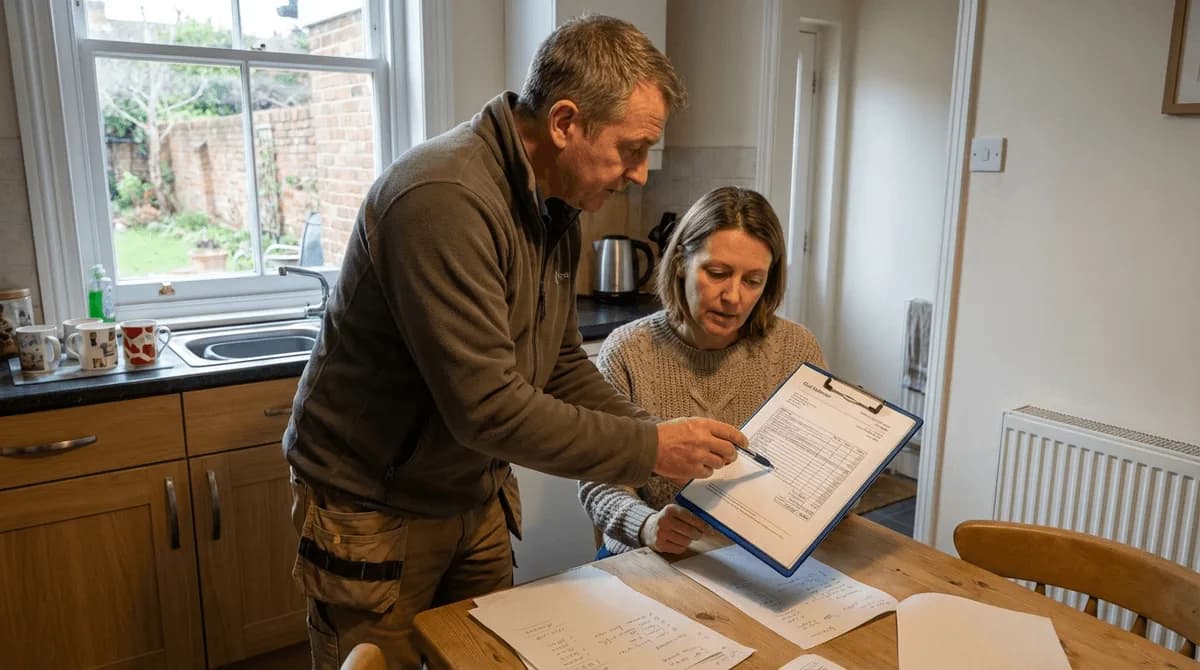
EPCGuide's analysis of upgrade costs across property types and regions shows that understanding the true costs of EPC upgrades is essential for every landlord planning for the 2030 EPC C deadline. The reality is that costs vary enormously depending on your property type, current condition, and location. This guide provides realistic UK cost data to help you plan your MEES compliance strategy.
Why Understanding Costs Matters
The gap between what landlords fear they will spend and what they actually need to spend is often significant. Some landlords assume they will need to invest tens of thousands of pounds, while others underestimate the work required. Neither approach leads to good decisions.
Accurate cost information helps you:
- Plan your budget realistically - Know what to expect before getting quotes
- Prioritise effectively - Focus on improvements that give the best return per pound spent
- Identify quick wins - Many properties can improve significantly with low-cost measures
- Evaluate cost cap exemptions - Understand whether the cost cap applies to your situation: £3,500 including VAT today, £10,000 proposed for the new rules. Learn more in our cost cap exemptions guide
- Compare quotes intelligently - Recognise when a quote is reasonable versus when to get more options
Individual Improvement Costs
Below are detailed costs for each type of improvement commonly recommended in EPC assessments. We have included typical EPC point improvements, though these vary depending on your property's specific characteristics.
Insulation Improvements
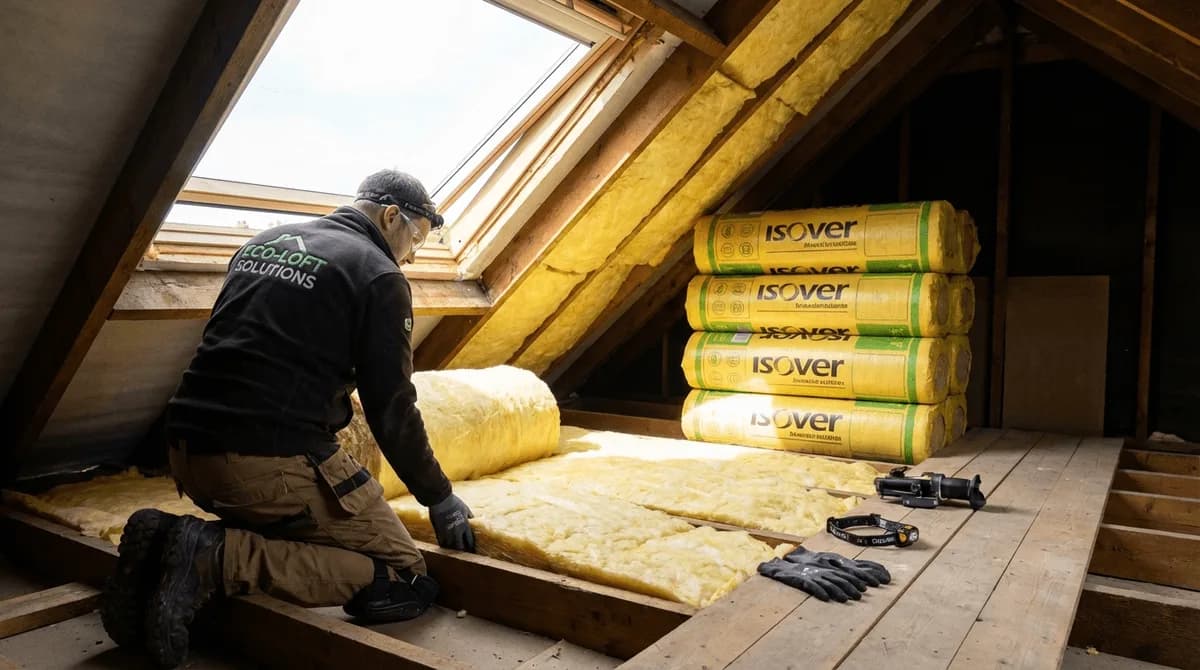
Insulation is typically the most cost-effective category of improvement. Addressing heat loss through the loft, walls, and floors can make a dramatic difference to your EPC rating.
Insulation Costs (2026 UK Averages)
| Improvement | Low Estimate | High Estimate |
|---|---|---|
| Loft insulation (top-up to 300mm)Typical EPC improvement: 4-8 points | £400 | £600 |
| Loft insulation (full installation)Typical EPC improvement: 6-10 points | £600 | £1,000 |
| Cavity wall insulationTypical EPC improvement: 8-12 points | £800 | £1,500 |
| Internal solid wall insulationTypical EPC improvement: 10-15 points | £8,000 | £14,000 |
| External solid wall insulationTypical EPC improvement: 12-18 points | £10,000 | £20,000 |
| Floor insulation (suspended timber)Typical EPC improvement: 2-4 points | £800 | £1,500 |
| Floor insulation (solid floor)Only practical during major renovation | £2,000 | £5,000 |
Prices based on a typical 3-bedroom semi-detached house. Larger properties will cost more.
Glazing Improvements
Window upgrades are expensive relative to their EPC impact, but may be necessary if your property has single glazing. Consider secondary glazing as a lower-cost alternative, especially for listed buildings.
Glazing Costs (2026 UK Averages)
| Improvement | Low Estimate | High Estimate |
|---|---|---|
| Double glazing (full house, 8-10 windows)Typical EPC improvement: 5-10 points | £4,000 | £8,000 |
| Triple glazing (full house)Typical EPC improvement: 6-12 points | £6,000 | £12,000 |
| Secondary glazing (full house)Typical EPC improvement: 2-4 points | £1,500 | £3,500 |
| Draught proofing (windows and doors)Typical EPC improvement: 2-4 points | £200 | £400 |
Window costs vary significantly based on size, style, and material (uPVC vs timber).
Heating System Upgrades
Heating accounts for a significant portion of energy use. Upgrading an old inefficient boiler can substantially improve your rating, while heat pumps offer the largest gains but at higher cost.
Heating System Costs (2026 UK Averages)
| Improvement | Low Estimate | High Estimate |
|---|---|---|
| New A-rated gas boilerTypical EPC improvement: 5-10 points | £2,500 | £4,000 |
| Air source heat pumpTypical EPC improvement: 10-20 points. BUS grant can reduce cost by up to £7,500 | £10,000 | £15,000 |
| Ground source heat pumpTypical EPC improvement: 12-22 points. Requires garden space for ground loops | £18,000 | £35,000 |
| Electric storage heater upgradeFor properties with electric heating | £2,000 | £4,000 |
Heat pump costs shown before grants. The Boiler Upgrade Scheme provides up to £7,500 towards heat pump installation.
Controls and Other Improvements
These lower-cost measures can add valuable points to your EPC rating and are often overlooked. Many can be done as DIY projects or at minimal cost.
Controls and Miscellaneous Costs
| Improvement | Low Estimate | High Estimate |
|---|---|---|
| Smart heating controls (e.g., Hive, Nest)Typical EPC improvement: 2-4 points | £200 | £400 |
| Heating zone controlsTypical EPC improvement: 2-4 points | £400 | £800 |
| Thermostatic radiator valves (TRVs)Typical EPC improvement: 1-2 points | £150 | £300 |
| LED lighting upgradeTypical EPC improvement: 1-2 points | £100 | £200 |
| Hot water cylinder jacketTypical EPC improvement: 1-2 points | £20 | £50 |
| Pipe insulationTypical EPC improvement: 1 point | £50 | £150 |
Many of these improvements can be DIY projects, reducing costs further.
Renewable Energy Systems
Solar panels and other renewable systems can provide substantial EPC improvements while also generating income or savings for tenants. Note that not all rental properties are suitable for renewables.
Renewable Energy System Costs
| Improvement | Low Estimate | High Estimate |
|---|---|---|
| Solar PV (3-4kW system)Typical EPC improvement: 5-10 points | £5,000 | £8,000 |
| Solar PV with battery storageBattery adds £2,000-4,000 to base system | £8,000 | £13,000 |
| Solar thermal (water heating)Typical EPC improvement: 3-5 points | £3,000 | £5,000 |
Solar suitability depends on roof orientation, shading, and structural capacity.
Typical Costs by Property Type
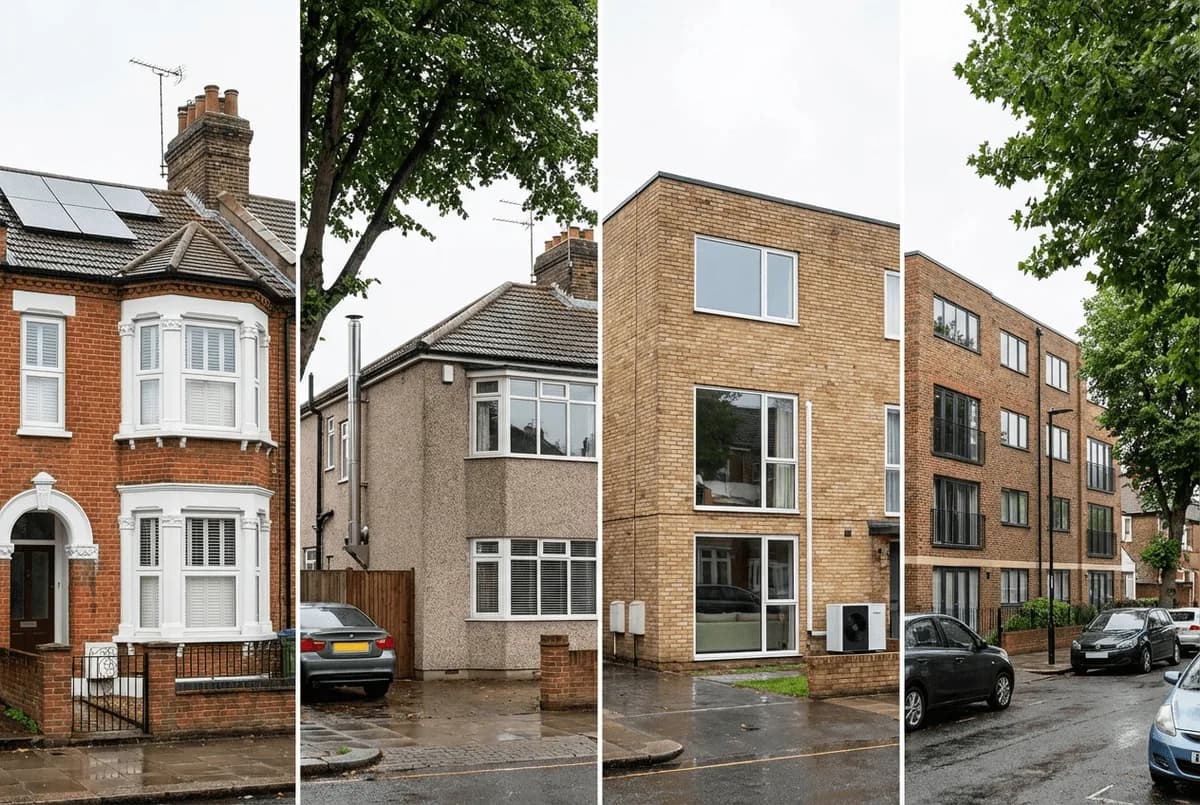
The total cost to achieve EPC C varies dramatically based on your property type. Here are realistic cost ranges for reaching EPC C from a typical starting point for each property type.
Total Cost to Reach EPC C by Property Type
| Improvement | Low Estimate | High Estimate |
|---|---|---|
| Victorian Terrace (pre-1919)Often starts at E or F. Solid walls are the main cost driver. | £8,000 | £25,000 |
| Edwardian / 1920s PropertySimilar challenges to Victorian but sometimes with cavity walls. | £6,000 | £20,000 |
| 1930s Semi-DetachedUsually starts at D. Cavity walls make insulation easier. | £3,000 | £10,000 |
| 1950s-1960s PropertyOften starts at D. May need loft and cavity work. | £2,500 | £8,000 |
| 1970s-1980s PropertyOften starts at D or C. May only need minor improvements. | £1,500 | £5,000 |
| 1990s and LaterOften already C or better. May only need quick wins. | £500 | £3,000 |
| Purpose-Built FlatLimited improvement options but often already efficient. | £1,000 | £4,000 |
| Converted FlatVaries hugely depending on original building and conversion quality. | £2,500 | £8,000 |
Ranges assume typical starting EPC for each property type. Your costs may be higher or lower depending on current condition.
Why Age and Construction Drive the Cost
The single biggest factor in your bill is how the walls were built. Homes constructed before roughly 1930 usually have solid brick or stone walls with no gap to fill, so the only options are internal or external insulation, both of which run into thousands of pounds and disruption. From the 1930s onwards, cavity walls became standard, and filling an empty cavity is one of the cheapest large point-gains available. That single difference explains why a Victorian terrace can cost three times as much to bring to C as a 1970s semi of the same floor area.
Age also shapes your starting rating. Older stock more often sits at E or F, so it has further to climb, while properties built from the 1990s onwards frequently start at C or D thanks to Building Regulations that already mandated insulation and efficient heating. Beyond the walls, three other characteristics move the number: floor area (more square metres means more insulation and radiators), heating fuel (properties off the gas grid on electric or oil systems tend to score lower and cost more to fix), and roof type (a room-in-roof or flat roof is far dearer to insulate than a standard cold loft).
The MEES Cost Cap and What You Actually Have to Spend
Under the Minimum Energy Efficiency Standards (MEES), you are not required to spend an unlimited amount to reach the target rating. There is a legal cost cap: if you have spent up to the cap on qualifying improvements and the property still falls short, you can register a high-cost exemption and let the property while it remains below standard.
What "All Relevant Improvements" Means
The cap does not simply mean "spend the money and stop". To claim the exemption you must show you have installed all relevant energy efficiency improvements that can be done within the cap: the measures recommended on your EPC or by a Green Deal assessment that can be paid for out of the capped amount, including any third-party funding such as grants. In practice that means you cannot cherry-pick one cheap measure, spend a fraction of the cap, and stop. You are expected to work down the list of recommended measures, fitting as many as the budget allows, before the property qualifies as "done what could reasonably be done".
Under the rules in force, grant money does not count towards the £3,500 cap. The cap limits what you have to spend out of your own pocket, so a grant does not use up your allowance: it stretches how many improvements you can fit in. If third-party funding covers the full cost of reaching the required band, the cap does not apply at all and you are expected to use all the funding you can secure. If it is partial and the property is still short, you may need to top up with your own money up to the value of the cap before the exemption is available to you. Under the proposed £10,000 cap, Boiler Upgrade Scheme money would not count, but other third-party funding, such as ECO4 or local grants, could.
Worked Example: A Typical D-Rated Rental to C
To make the numbers concrete, here is a realistic run-through for a common scenario: a 1960s three-bedroom semi-detached rental currently sitting at EPC D (around 58 points) with cavity walls, a 15-year-old boiler, partial loft insulation, and no smart controls. It needs roughly 11 points to clear the 69-point threshold for band C.
Worked Example: 1960s Semi from D to C
| Improvement | Low Estimate | High Estimate |
|---|---|---|
| Cavity wall insulation (unfilled cavity)Adds roughly 8-12 points. The single biggest win here. | £800 | £1,500 |
| Loft insulation top-up to 300mmAdds roughly 4-8 points. | £400 | £600 |
| Smart heating controlsAdds roughly 2-4 points. | £200 | £400 |
| Draught proofing and LED lightingAdds roughly 3-6 points combined. | £300 | £600 |
Indicative figures for a typical 1960s three-bedroom semi. Your points and prices will differ with property condition and region.
Regional Cost Variations
Labour rates and material costs vary significantly across the UK. The figures in this guide are UK averages - apply these approximate adjustments for your region:
Higher Cost Regions
- London+20% to +30%
- South East England+10% to +20%
- South West England+5% to +10%
Lower Cost Regions
- North East England-5% to -15%
- Yorkshire-5% to -10%
- Wales-5% to -10%
- Northern Ireland-10% to -15%
City-Specific EPC Guides
For local grant schemes, council incentives, and contractor recommendations in your city, see our dedicated local guides:
Cost-Effectiveness Ranking
Not all improvements offer the same value for money. Cost-effectiveness is measured by the cost per EPC point gained, sometimes called cost-per-SAP-point after the Standard Assessment Procedure that scores every certificate. A lower figure means you buy more rating for each pound, and the spread is enormous: the best measures cost under £100 a point while the worst cost more than ten times that. Buying the cheap points first is what lets most landlords reach C without touching the expensive options at all. Here are common improvements ranked from most to least cost-effective:
Best Value (Under £100 per EPC point)
- Hot water cylinder jacket - ~£35 per point
- Loft insulation top-up - ~£75 per point
- Draught proofing - ~£100 per point
- Cavity wall insulation - ~£115 per point
- LED lighting - ~£100 per point
Good Value (£100 to £400 per EPC point)
- Smart heating controls - ~£150 per point
- TRVs on radiators - ~£150 per point
- New A-rated boiler - ~£400 per point
- Floor insulation (suspended) - ~£350 per point
Moderate Value (£400 to £1,000 per EPC point)
- Air source heat pump - ~£625 per point (after BUS grant)
- Solar PV - ~£800 per point
- Double glazing - ~£800 per point
- Internal solid wall insulation - ~£850 per point
Lower Value (Over £1,000 per EPC point)
- External solid wall insulation - ~£1,000 per point
- Triple glazing - ~£1,100 per point
- Ground source heat pump - ~£1,700 per point
Funding Sources Overview
Several government schemes can help reduce your upgrade costs. Eligibility varies, so check each scheme's requirements carefully.
Boiler Upgrade Scheme (BUS)
Up to £7,500 towards heat pump installation. Available for most properties in England and Wales.
Learn more about BUSECO4 Scheme
Free or heavily subsidised insulation and heating for properties with tenants on certain benefits.
Check ECO4 eligibilityWarm Homes: Local Grant
Local authority grants for energy efficiency improvements. Availability and eligibility varies by area.
Find local grantsGreat British Insulation Scheme (closed)
GBIS closed to new applications in January 2026 and ended on 31 March 2026. It is no longer available.
See current grantsHow Grants Change Your Net Spend
The headline cost of a measure and what you actually pay are rarely the same once grants are applied. The Boiler Upgrade Scheme takes £7,500 straight off a heat pump, turning a £12,000 job into a £4,500 one. Means-tested schemes such as ECO4 can cover insulation entirely for eligible tenants, dropping the net cost of some measures to zero. Stack a couple of these and a property that looked like a £12,000 problem can reach C for a few thousand pounds of your own money.
Two things to hold in mind. First, under the rules in force, grant money does not use up the £3,500 MEES cost cap, so funded work stretches what you can achieve rather than using up the allowance you have to spend yourself. Under the proposed £10,000 cap, Boiler Upgrade Scheme money would not count, but other third-party funding, such as ECO4 or local grants, could. Second, eligibility is the gatekeeper: BUS is broadly available, but ECO4 and local Warm Homes grants depend on tenant benefits, property location, or current rating. Check what you qualify for in the landlord grants guide before you commit to any paid work, because sequencing the grant application before the quote can be the difference between paying full price and paying almost nothing.
Next Steps
Now that you understand the costs, here is how to move forward with your compliance planning:
- 1
Use our calculator for a personalised estimate
Get a tailored cost estimate based on your specific property type, location, and current condition.
- 2
Get a professional EPC assessment
An accredited assessor can identify exactly which improvements will work best for your property.
- 3
Check funding eligibility
Explore BUS, ECO4, and local grants before committing to any work.
- 4
Obtain multiple quotes
Get at least three quotes for each improvement from certified installers.
Frequently Asked Questions
How much does it cost to upgrade a rental to EPC C?
Most landlords reach EPC C for £3,000 to £10,000, though the figure depends heavily on property type and starting rating. A 1930s-or-later home with cavity walls often reaches C for £3,000 or less, while a pre-1930 solid-wall property can cost £10,000 to £25,000 because wall insulation is expensive.
Is there a limit to what I have to spend under MEES?
Yes. The current MEES cost cap is £3,500 including VAT. For the EPC C standard from 1 October 2030, the government confirmed a £10,000 cap in its January 2026 consultation response, down from the £15,000 floated at consultation. That figure is not yet law. If you spend up to the cap on all relevant recommended improvements and the property still falls short, you can register a high-cost exemption.
Do grants count towards the MEES cost cap?
Not under the rules in force. The cost cap limits what you have to spend out of your own pocket, and grant funding does not count against the £3,500 cap. If third-party funding covers the full cost of getting the property to the required band, the cap does not apply at all and you are expected to use all the funding you can secure. If the funding is partial and still leaves you short of the standard, you may need to top up with your own money up to the value of the cap. In practice grants stretch how much work you can fit in, rather than using up your allowance. Under the proposed £10,000 cap, Boiler Upgrade Scheme money would not count, but other third-party funding, such as ECO4 or local grants, could.
Which EPC improvements give the best value for money?
The best cost-per-point measures are a hot water cylinder jacket (around £35 per EPC point), loft insulation top-ups (around £75 per point), draught proofing and cavity wall insulation (around £100 to £115 per point). Solid wall insulation, triple glazing, and ground source heat pumps are the least cost-effective at over £1,000 per point.
Sources
Related Articles
D to C Upgrade Costs
Detailed breakdown of what it costs to improve from EPC D to a C rating. Band D is compliant today, so this is planning ahead.
Cost Cap and Exemptions
The £3,500 spending cap in force, the £10,000 proposed, and how to qualify for an exemption.
Victorian Terrace Guide
Specific upgrade strategies for pre-1919 terraced properties with solid walls.