1980s-1990s House EPC Upgrade Guide
Why these properties are often the cheapest and easiest to bring up to EPC C standard
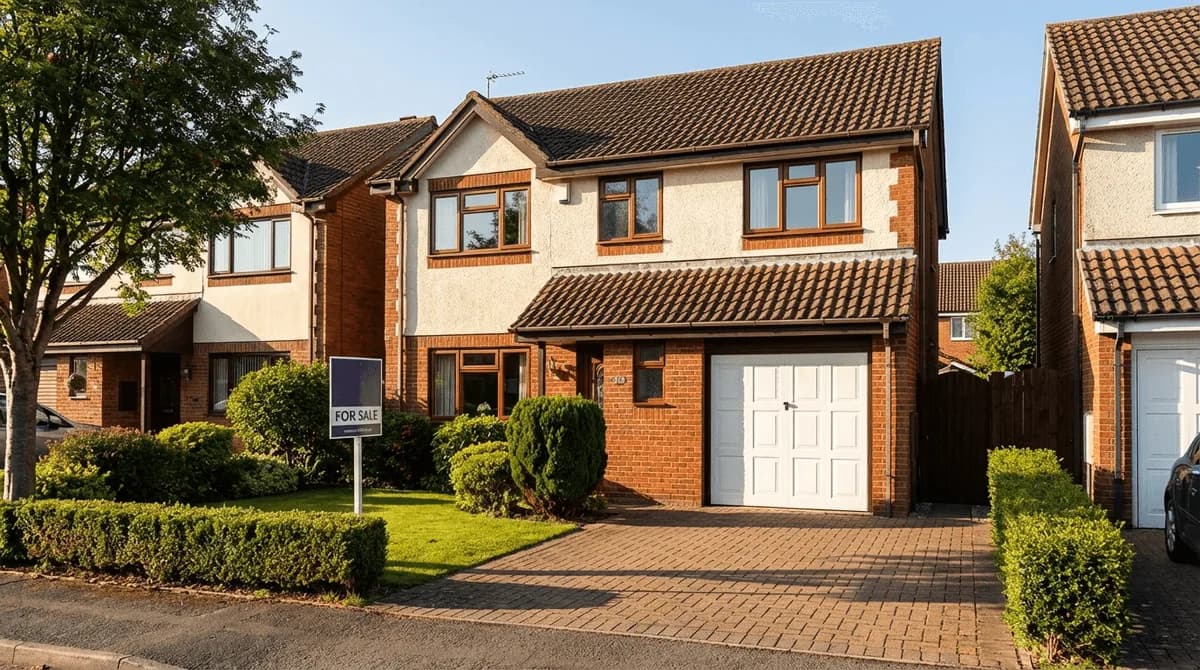
Houses built during the 1980s and 1990s represent some of the best news for landlords facing EPC compliance requirements. These properties were built to building regulations that set minimum energy performance standards, which were tightened between 1985 and 1995. As a result, many already achieve EPC ratings of D or even low C.
For landlords with 80s-90s properties, the path to EPC C is often straightforward and affordable. Many will only need a boiler upgrade, some insulation top-ups, and minor improvements to reach compliance, with total costs typically ranging from just £1,500 to £5,000.
Not sure what you are required to reach? Our guide to EPC rules for landlords explains the minimum band today and what government has proposed for 2030.
Property Characteristics
Properties from this era benefit from improved building standards and modern construction techniques. Understanding these advantages helps you identify which improvements are actually needed.
Wall Construction
- Cavity walls, often with insulation built in
- -May benefit from cavity top-up if original insulation has settled
Standard Features
- Double glazing (usually original uPVC)
- Loft insulation (often 100mm or more from construction, depending on the year it was built)
- Concrete ground floors (less draughty)
- Standard ceiling heights (2.4m typical)
Built-In Advantages
Wall Insulation Often Not Needed
Cavity walls are often already insulated, which avoids the biggest expense faced by older properties. Check yours.
Double Glazing Present
Original double glazing may need upgrading but provides a reasonable baseline.
Lower Upgrade Costs
Typically £1,500-£5,000 to reach EPC C vs £10,000+ for older homes.
Common Issues
While 80s-90s houses have good fundamentals, there are still common issues that prevent them from reaching EPC C. The good news is these are typically straightforward and affordable to address.
1. Ageing Boilers
Many properties still have their original boilers from the 1980s-1990s, or early replacements from the 2000s. These older non-condensing boilers are significantly less efficient than modern condensing units. Replacing a 25+ year old boiler can gain 5-10 EPC points alone.
2. Loft Insulation Below Current Standards
While these properties have loft insulation, the depth fitted when built is often below the 270mm commonly recommended. Topping up loft insulation is one of the cheapest improvements available and can add 4-8 EPC points.
3. No Heating Controls
Many older heating systems lack modern controls like programmable thermostats and thermostatic radiator valves (TRVs). Adding smart heating controls is a cost-effective way to gain 2-4 EPC points.
4. Original Double Glazing Degradation
Double glazing from the 80s-90s may have failed seals (visible as misting) or be early low-performance units. While replacement is not always necessary, upgrading to modern A-rated units can improve EPC scores. Failed units should be replaced regardless.
5. Hot Water Cylinder Insulation
Properties with hot water cylinders may have thin or no cylinder jackets. Adding or upgrading cylinder insulation is a very cheap improvement that can gain 1-2 EPC points.
Recommended Upgrades
The upgrade strategy for 80s-90s houses is refreshingly simple: focus on the low-cost, high-impact improvements first. Many properties will reach EPC C without needing any major structural work.
Priority Order for Maximum Impact
1980s-1990s House Upgrade Costs and EPC Impact
| Improvement | Low Estimate | High Estimate |
|---|---|---|
| Loft Insulation Top-Up (to 270mm)Usually just needs topping up. 4-8 EPC points. | £300 | £500 |
| Smart Heating Controls + TRVsHigh impact for low cost. 2-4 EPC points. | £200 | £400 |
| LED Lighting ThroughoutSimple DIY improvement. 1-2 EPC points. | £80 | £150 |
| Hot Water Cylinder JacketIf cylinder present. 1-2 EPC points. | £15 | £30 |
| Condensing Boiler UpgradeIf boiler is 15+ years old. 5-10 EPC points. | £2,000 | £3,500 |
| Cavity Wall Top-Up (if needed)Only if original insulation has settled. 2-4 EPC points. | £400 | £800 |
| Estimated Total | £2,995 | £5,380 |
Many 80s-90s houses will reach EPC C with just the first 4-5 items on this list, which total roughly £600 to £1,100 for the first four, or £2,600 to £4,600 with the boiler. The total row adds every measure.
Cost Estimates
The excellent news for landlords with 80s-90s properties is that upgrade costs are typically a fraction of those for older buildings. Here are realistic cost ranges:
Starting at D (62 points)
£800 - £2,000
Quick wins only: loft top-up, controls, LEDs. Often enough to reach C.
Starting at Low D (55 points)
£2,500 - £4,500
Quick wins plus boiler upgrade. Reliable path to solid C rating.
Starting at E (48 points)
£3,500 - £5,000
All improvements including potential glazing work. Still very affordable.
Quick Win Improvements
These low-cost improvements can often be completed in a single day and may be enough on their own to push a D-rated property into C territory:
Loft Insulation Top-Up
Add mineral wool rolls on top of existing insulation to reach 270mm total depth.
Smart Thermostat
Replace basic timer with a smart thermostat for better heating control.
TRVs on All Radiators
Fit thermostatic radiator valves to enable room-by-room temperature control.
LED Lighting
Replace all remaining halogen and CFL bulbs with LED equivalents.
Example Upgrade Pathway
Here is a realistic example of how a typical 1980s house might progress from EPC rating D to C with minimal investment:
Case Study: 3-Bed 1987 Semi-Detached, Birmingham
Starting
D58 points
Target
C69 points
Next Steps
1. Check Your Current EPC
Your 80s-90s property may already be rated C or high D. Check your existing EPC to see exactly how many points you need.
Check your EPC on GOV.UK2. Check Your Loft Insulation
Measure your current loft insulation depth. If it is less than 270mm, this is likely your easiest and cheapest improvement.
Loft insulation guide3. Check Your Boiler Age
If your boiler is 15+ years old, upgrading to a modern condensing unit may be a worthwhile investment that also improves your EPC.
Boiler upgrade guide4. Calculate Your Costs
Use our calculator for a personalised estimate. You may be pleasantly surprised at how affordable compliance is for your property.
Use the Cost Calculator