Victorian Terrace Sash Window Upgrades: EPC Impact Without Losing Character
Secondary glazing, slim double glazing, and draught proofing options for pre-1919 sash windows
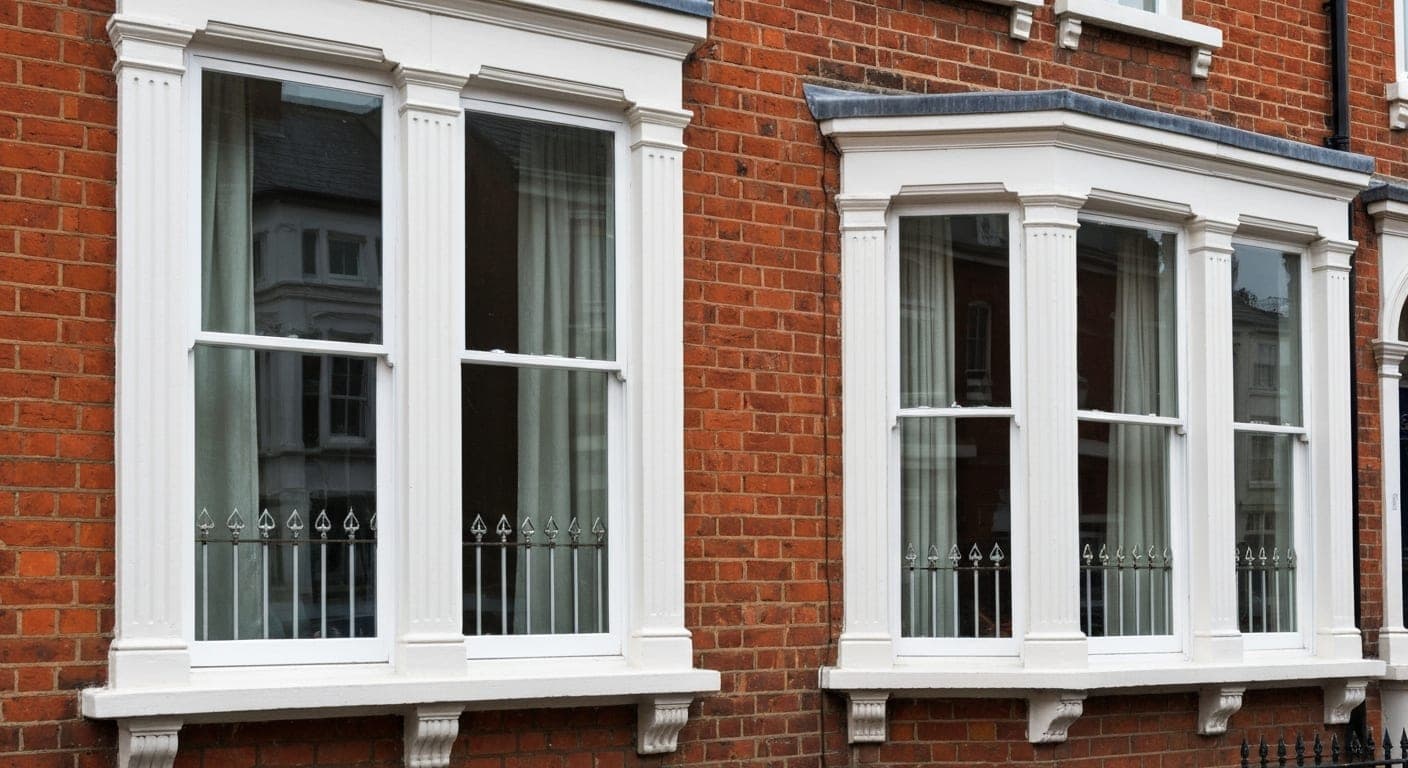
The tall, elegant sash windows of a Victorian terrace are one of the most valued period features -- and one of the biggest sources of heat loss. Single-glazed timber sash windows can have U-values of 4.8 W/m2K or worse, compared to 1.2 W/m2K for modern double glazing. But replacing them with modern windows is expensive, often prohibited in conservation areas, and can destroy the character that makes Victorian properties desirable.
This guide covers every option for improving the thermal performance of sash windows, from a £50 DIY draught-proofing kit to bespoke slim double-glazed units, with honest EPC impact data and guidance on what is and is not permitted in conservation areas.
The Sash Window EPC Problem
Original Victorian sash windows have two main energy problems: poor glazing (single glass with U-values of 4.5 to 5.8 W/m2K) and significant air leakage through the gaps in the sliding sash mechanism. Both contribute to heat loss and both reduce the EPC score.
Under RdSAP, the EPC methodology scores windows based on their U-value. Single glazing in timber frames scores poorly. Moving to a U-value of 2.0 (secondary glazing) or 1.2 (slim double glazing) adds 3 to 8 EPC points depending on the window area relative to the floor area of the property.
Draught reduction is also important, though its direct EPC impact is smaller. Draught-proofing measures are credited in the RdSAP infiltration calculation, and sealing a draughty Victorian sash can add 1 to 2 EPC points per window when the whole property is treated.
Draught Proofing: The Cheapest Starting Point
Draught proofing a sash window involves fitting brush pile or rubber seals to the sliding meeting rail, the bottom rail against the sill, and the side channels where the sashes travel. Done professionally, this can reduce air infiltration by 70 to 90 per cent while leaving the window fully operational.
The DIY approach uses self-adhesive foam or rubber strips from DIY stores. These cost £20 to £50 per window and can be fitted in an hour. However, foam strips compress and degrade within two to three years and are not suitable for the pulley mechanism of a traditional box sash.
Professional sash window draught proofing uses spring bronze or brush pile strips routed into the frame. This is the method used by specialist sash window companies and produces a much longer-lasting result. Costs are £150 to £300 per window, with a typical 3-bed Victorian terrace (8 to 10 sash windows) running to £1,200 to £3,000.
Secondary Glazing: Best for Conservation Areas
Secondary glazing involves fitting a second pane of glass or acrylic on the room side of the existing window, creating a sealed air gap between the two layers. This can reduce the combined window U-value from around 5.0 to approximately 2.0 to 2.5 W/m2K -- comparable to older double glazing.
Secondary glazing also significantly reduces draughts and noise, making it particularly valuable in busy Victorian terrace streets. Because it is fitted on the interior face of the window, it makes no external change to the building and is permitted in all conservation areas and on most listed buildings.
Costs range from £250 for a simple fixed acrylic panel to £700 for a bespoke hinged timber-framed secondary glazing unit. High-quality units use 6.4mm laminated glass with a magnetic or lift-out frame, allowing the original sash to be opened in summer. Installed cost for a 3-bed Victorian terrace with 8 to 10 sash windows: £2,500 to £6,000.
Secondary Glazing Pros
- Permitted in all conservation areas
- Usually acceptable for listed buildings
- Preserves original sash windows
- Excellent noise reduction
- Reversible -- can be removed without damage
- Lower cost than full replacement
Secondary Glazing Cons
- U-value (around 2.0) is worse than modern double glazing
- Two windows to clean and operate
- Condensation can form between panes if not sealed well
- Fixed panels limit ventilation
- Not recognised as full double glazing by RdSAP
Slim Double Glazing: The Premium Option
Slim double-glazed sash windows use a 6mm vacuum or slim argon-filled unit (around 12 to 14mm total thickness) fitted into a traditional timber sash frame. The look is almost identical to the original single-glazed window, but the thermal performance improves to a U-value of 1.4 to 1.8 W/m2K -- much closer to modern double glazing.
These units are manufactured by specialists in period glazing and cost significantly more than standard replacement windows. Expect to pay £800 to £1,500 per window including installation. A full set of sash windows for a 3-bed Victorian terrace (8 to 10 windows) typically costs £8,000 to £14,000.
Planning authorities in conservation areas are generally more sympathetic to slim double glazing in timber frames than to standard uPVC double glazing, as the visual impact is minimal. Some conservation officers will approve it outright; others require a planning application. Always check with your local planning authority before ordering.
Full Window Replacement
Full replacement with standard uPVC double-glazed windows is the cheapest way to achieve modern glazing performance (U-value 1.2 to 1.4 W/m2K) and costs £400 to £900 per window installed. However, uPVC sash windows are typically not permitted in conservation areas and are rarely approved by planning officers in historic street settings.
For Victorian terraces outside conservation areas, timber-look or aluminium sash replacement windows in double-glazed specification offer a middle ground. These cost £600 to £1,200 per window and deliver full double-glazing performance without the planning complications.
Cost Comparison
| Improvement | Low Estimate | High Estimate |
|---|---|---|
| DIY draught-proofing strips (per window)2 to 3 year lifespan; not suitable for box sash mechanisms | £20 | £50 |
| Professional sash draught proofing (per window)Spring bronze or brush pile; 10+ year lifespan | £150 | £300 |
| Secondary glazing -- fixed acrylic panel (per window)Simplest option; no ventilation when fitted | £250 | £400 |
| Secondary glazing -- hinged or lift-out (per window)Allows original sash to open | £400 | £700 |
| Slim double-glazed timber sash units (per window)Period-appropriate; planning-sympathetic | £800 | £1,500 |
| uPVC double-glazed sash replacement (per window)Not conservation-area compliant | £400 | £900 |
| Vacuum glazing units (per window)Best U-value; fits in original rebate | £1,000 | £2,000 |
EPC Impact: How Many Points Do Windows Add?
Windows contribute to the EPC score through two elements: the glazing U-value (scored by type in RdSAP) and the overall air infiltration rate (affected by draught proofing). Total EPC points gained from window upgrades on a typical 3-bed Victorian terrace:
Windows rarely provide enough EPC improvement on their own to cross the band C threshold. They are most effective as part of a wider programme that includes solid wall insulation and loft insulation. For a property sitting at EPC D (65 to 67 points), secondary glazing combined with professional draught proofing is often enough to push into C.
Conservation Area Rules
Conservation area designation places restrictions on works that alter the external appearance of a building. For sash windows on Victorian terraces, the practical effect is:
- Draught proofing -- fully permitted, no consent needed. Makes no external change.
- Secondary glazing fitted internally -- fully permitted, no consent needed. Makes no external change.
- Like-for-like timber sash replacement -- usually permitted development if replacing with the same material and style. Check with your local planning authority.
- Slim double-glazed timber sash units -- generally acceptable to planning authorities as the appearance is largely unchanged, but may require prior approval or a planning application in some areas.
- uPVC sash windows -- generally not permitted in conservation areas. Planning permission is required and usually refused.
For Victorian terraces in conservation areas, the recommended strategy is professional draught proofing plus secondary glazing. This combination costs £2,000 to £4,000 for a 3-bed terrace, adds 4 to 7 EPC points, and requires no planning consent.
Which Option Should You Choose?
Property in a conservation area or listed
Start with professional draught proofing (£150 to £300 per window), then add secondary glazing (£400 to £700 per window) on the most thermally significant windows. This gives the best EPC return within planning constraints.
Property not in a conservation area, tight budget
Professional draught proofing is the immediate priority. If the budget allows, uPVC double-glazed sash replacement gives the best EPC gain per pound spent. A 3-bed terrace with 8 windows can be fully double-glazed for £3,500 to £7,000.
Property not in a conservation area, quality focus
Slim double-glazed timber sash units preserve the period character, deliver excellent thermal performance (U-value 1.4 to 1.8), and add the most EPC points of any window upgrade. Higher cost (£800 to £1,500 per window) is justified by the better outcome and longer product life.
Frequently Asked Questions
Does secondary glazing count as double glazing on an EPC?
+
No -- secondary glazing is recorded separately in RdSAP as "single glazing with secondary glazing" rather than as standard double glazing. It improves the window U-value from around 5.0 to approximately 2.0 W/m2K, which does result in EPC score improvement (typically 3 to 5 points for a full property), but the assessed value is less than for sealed double-glazed units.
Can I replace sash windows in a conservation area?
+
Like-for-like replacement of timber sash windows with the same material and style is usually permitted without a planning application. However, changing from timber to uPVC typically requires planning permission and is usually refused in conservation areas. Slim double-glazed timber units are often acceptable but you should check with your local planning authority first.
How much does sash window draught proofing cost?
+
Professional draught proofing using spring bronze or brush pile seals costs £150 to £300 per window. A 3-bed Victorian terrace with 8 to 10 sash windows would cost £1,200 to £3,000 in total. This is the most cost-effective window improvement for a Victorian terrace in terms of EPC points per pound.
How many EPC points does replacing sash windows add?
+
Replacing all single-glazed sash windows with double-glazed equivalents typically adds 5 to 8 EPC points on a standard 3-bed Victorian terrace. Secondary glazing adds 3 to 5 points. Draught proofing alone adds 2 to 4 points. The exact figure depends on the window area and the rest of the property's characteristics.
Are slim double-glazed sash windows worth the extra cost?
+
If preservation of the Victorian character is important (as it often is in conservation areas or high-value period properties), slim double-glazed timber sash units are worth the premium. They deliver U-values of 1.4 to 1.8 W/m2K, a significantly better EPC outcome than secondary glazing, and they last as long as the original windows when properly maintained. For a purely financial EPC compliance calculation, standard double-glazed replacement windows are better value.
Related Articles
Victorian Bay Window Draught Proofing
The cheapest EPC quick win for Victorian terraces -- costs and point gains.
Victorian Solid Wall Insulation
Internal vs external insulation options, costs, and EPC improvements.
Victorian Terrace Loft Conversion and EPC
Loft insulation options, costs, and how a conversion affects your EPC.
Victorian Terrace EPC Guide
Complete landlord guide to improving EPC ratings in pre-1919 terraced properties.