Pre-1919 Semi-Detached EPC Upgrade Guide
Understanding why pre-1919 semis cost more to improve than terraces - and how to achieve compliance efficiently
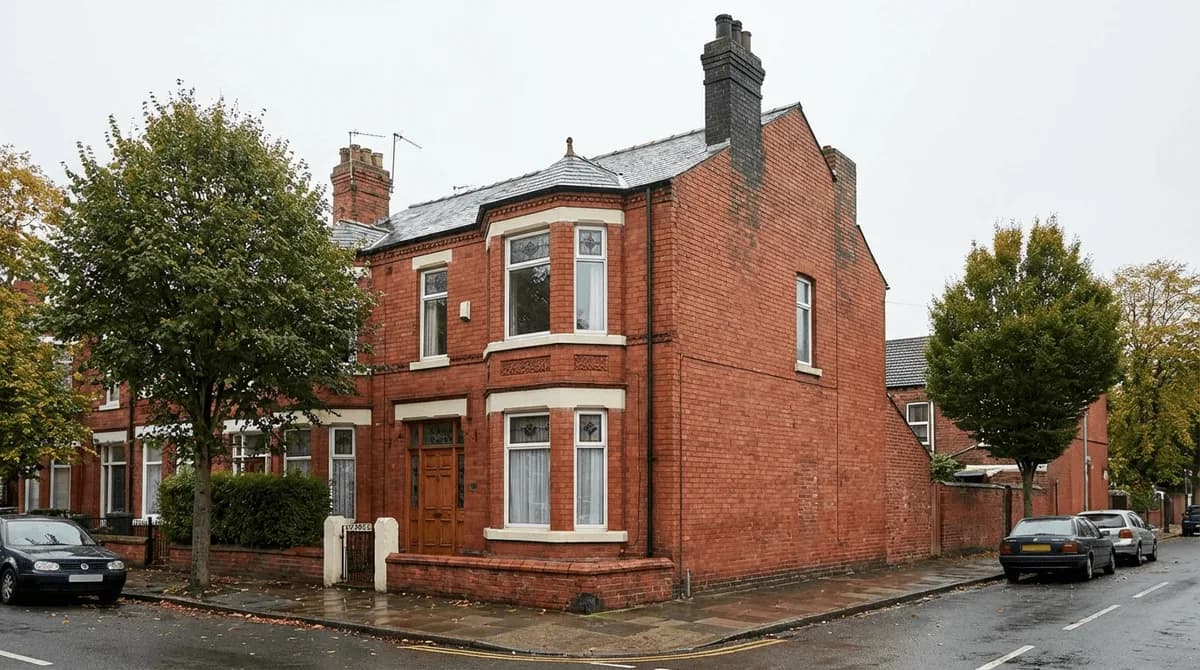
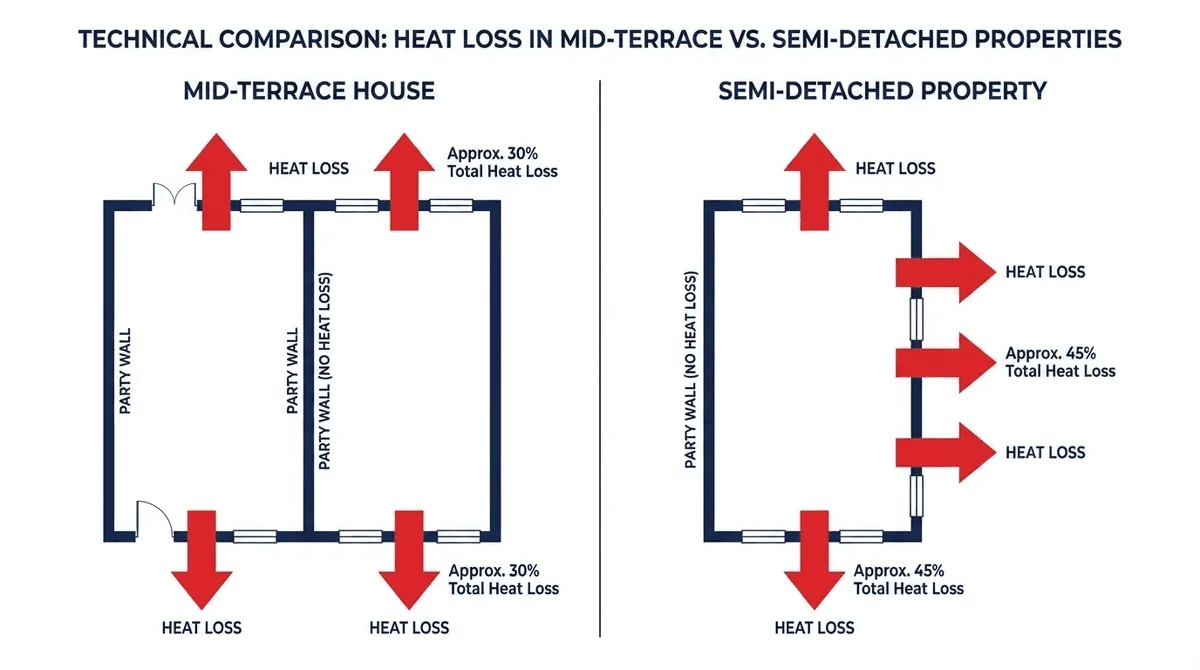
Pre-1919 semi-detached houses share the solid wall construction challenges of Victorian terraces but face an additional hurdle: significantly more exposed external wall area. With only one party wall instead of two, these properties lose more heat through their walls, making them among the poorest-performing properties in the UK housing stock.
This additional heat loss means pre-1919 semis typically score lower on EPC assessments than equivalent terraces, and require more extensive improvements to reach compliance. Understanding this fundamental difference is key to planning cost-effective upgrades.
Property Characteristics
Pre-1919 semi-detached houses share most construction characteristics with Victorian terraces, but their semi-detached configuration creates important differences for energy efficiency.
Wall Construction
- -Solid brick walls, typically 9 inches (225mm) thick
- -No cavity between inner and outer layers
- -U-value typically 2.1 W/m2K (very poor)
- !Only one party wall (vs two in terraces)
Typical Features
- -Often larger than terraces of the same era
- -Bigger roof area and loft space
- -Original single-glazed sash windows
- -Side return or passage often present
Why Heat Loss is Higher
This extra exposed wall can account for 15-25% additional heat loss compared to an equivalent terrace. In practical terms, this means:
- Lower starting EPC scores (typically 5-10 points less)
- More insulation material required to achieve the same result
- Higher costs for wall insulation projects
- Greater potential benefit from wall insulation (more points available)
Common EPC Challenges
1. Greater External Wall Area to Insulate
The exposed side wall significantly increases the total area requiring solid wall insulation. For a typical two-storey semi, this can add 30-50 square metres of wall area compared to a terrace, translating to£3,000-£6,000 additional cost for wall insulation.
2. Larger Roof Area
Pre-1919 semis typically have larger footprints than terraces, resulting in more roof area to insulate. While loft insulation is relatively cheap, the larger area means proportionally higher costs. Hipped roofs, common on semis, also require more careful insulation work.
3. Side Wall Access Challenges
External wall insulation on the exposed side often faces access challenges. Narrow passages between properties, boundary walls, and neighbouring structures can make installation difficult or require special scaffolding arrangements.
4. Same Period Construction Challenges
Pre-1919 semis share all the typical challenges of Victorian construction: solid walls, high ceilings, original single glazing, suspended timber floors, and open chimneys. These are compounded by the larger exposed surface area.
5. Conservation Area Constraints on Side Elevation
In conservation areas, external wall insulation may be restricted even on side elevations if they are visible from public areas. This forces landlords toward more expensive internal insulation options for all external walls.
Recommended Upgrades
The upgrade strategy for pre-1919 semis follows similar principles to Victorian terraces, but with awareness that wall insulation costs will be significantly higher. Prioritise quick wins first to maximise points before committing to major wall works.
Priority Order for Maximum Impact
Pre-1919 Semi-Detached Upgrade Costs and EPC Impact
| Improvement | Low Estimate | High Estimate |
|---|---|---|
| Loft Insulation (to 270mm)Larger loft area than terrace. 4-8 EPC points. | £500 | £800 |
| Draught Proofing ThroughoutMore external walls = more draughts. 2-4 EPC points. | £250 | £500 |
| Smart Heating Controls + TRVsZone control helps in larger property. 2-3 EPC points. | £250 | £450 |
| LED Lighting ThroughoutStandard improvement. 1-2 EPC points. | £100 | £200 |
| Internal Solid Wall InsulationThree external walls to treat. 12-18 EPC points. | £12,000 | £22,000 |
| Double Glazing (if permitted)Side elevation windows add to count. 5-10 EPC points. | £5,000 | £10,000 |
| Condensing Boiler UpgradeIf boiler is 15+ years old. 5-10 EPC points. | £2,500 | £4,000 |
| Estimated Total | £20,600 | £37,950 |
Costs reflect the additional wall area compared to terraces. Wall insulation costs are approximately 30-50% higher than equivalent terrace work.
Cost Estimates
Pre-1919 semi-detached properties are among the most expensive to upgrade due to the combination of solid wall construction and additional exposed surface area. Here are realistic cost ranges:
Starting at E (40 points)
£12,000 - £20,000
Minimum investment to reach C. Requires comprehensive wall insulation plus all quick wins.
Comprehensive Upgrade
£18,000 - £30,000
Full improvement including complete wall insulation, new boiler, and glazing upgrades.
Cost Cap Threshold
£3,500
The cap in force today, including VAT. Spend it on qualifying work without reaching band E and you can register a high-cost exemption. £10,000 is proposed, not yet law.
Special Considerations
Side Wall Priority
The exposed side wall is typically the highest priority for insulation as it represents a significant portion of total heat loss. Consider these factors when planning:
- -External insulation on the side may be easier to achieve planning approval for (less visible)
- -Access via side passage needs careful assessment
- -Check boundary ownership for external work near the property line
Listed Buildings and Conservation Areas
The restrictions for listed buildings and conservation areas apply equally to pre-1919 semis as to terraces. However, the side elevation may offer opportunities for external insulation that would not be permitted on front or visible rear elevations. Always consult your local planning authority.
Wall Insulation Options
With three external walls to consider, pre-1919 semis may benefit from a mixed approach, using different insulation methods for different elevations based on practical and planning considerations.
Internal vs External Wall Insulation for Pre-1919 Semis
| Feature | Internal Wall InsulationRecommended | External Wall Insulation |
|---|---|---|
| Typical Cost (per m2) | 80 - 120 | 100 - 160 |
| All Walls Cost (3 elevations) | 12,000 - 22,000 | 15,000 - 28,000 |
| EPC Points Gain | 12-18 points | 15-22 points |
| Disruption Level | High (room by room) | Medium (external only) |
| Effect on Room Size | Reduces by 50-100mm per wall | No internal change |
| Planning Permission | Usually not required | Often required |
| Side Wall Suitability | ||
| Can Mix Methods |
Consider external insulation for the less-visible side wall and internal for front/rear elevations. This hybrid approach can balance cost, planning approval, and room size preservation.
Example Upgrade Pathway
Here is a realistic example of how a typical 3-bedroom pre-1919 semi-detached might progress from EPC rating E to C:
Case Study: 3-Bed Pre-1919 Semi, Leeds
Starting
F35 points
Target
C69 points
Next Steps
1. Get Your Current EPC
If you do not have a recent EPC, commission one from a qualified assessor. Ensure they correctly assess the exposed side wall area.
Check your EPC on GOV.UK2. Survey Side Wall Access
Assess the access to your exposed side wall. Note passage width, boundary walls, and any obstacles that might affect external insulation installation.
Download Survey Checklist3. Check Planning Requirements
Determine whether your property is in a conservation area and what planning permission may be required for external wall insulation.
Planning Portal4. Calculate Your Costs
Use our calculator to get a personalised estimate. Select pre-1919 semi-detached to account for the additional wall area.
Use the Cost Calculator