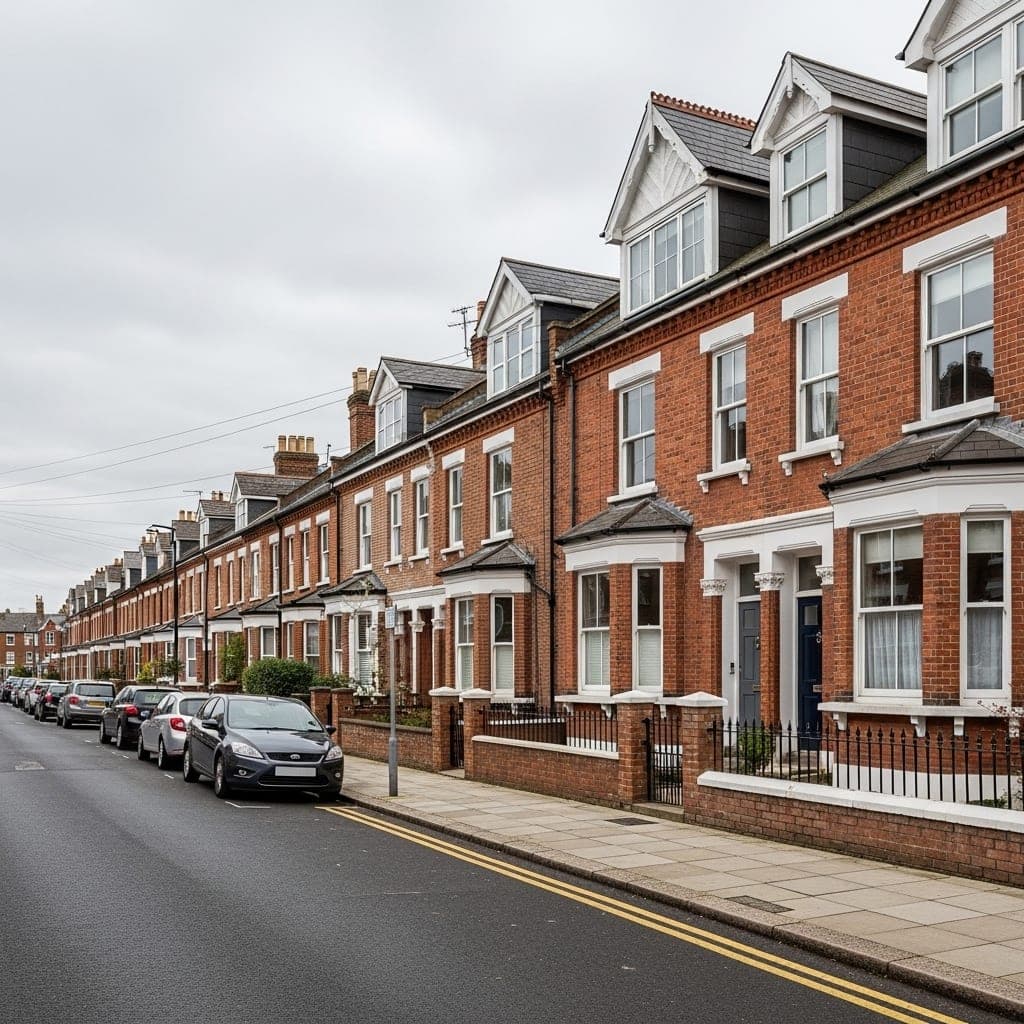
EPC Fines for Landlords: the £30,000 Proposal and What Applies Now
Government has proposed raising the maximum fine for letting an energy-inefficient property in England and Wales from £5,000 to £30,000 per property. That figure comes from the policy response published on 21 January 2026. It is not law. Nothing about the penalty regime has changed yet, and nothing changes until Parliament passes the enabling primary legislation and ministers lay a statutory instrument amending the Energy Efficiency (Private Rented Property) (England and Wales) Regulations 2015. No such instrument has been laid.
What is law today:
- The minimum band for a let property in England and Wales is E, and has been since 1 April 2020 for all existing tenancies. Band D is legal to let.
- The maximum civil penalty is £5,000 in total per property, across all breaches combined.
- The cost cap is £3,500 including VAT, measured against band E.
- Registered exemptions last five years (six months for the new-landlord exemption).
What is proposed and not yet law:
- A minimum of band C from 1 October 2030, replacing the earlier 2028 milestone for new tenancies, which government dropped in its January 2026 response
- A maximum penalty of £30,000 per property
- A £10,000 cost cap, or 10% of property value where the property is worth under £100,000, with landlord spending from 1 October 2025 counting toward it
- Ten-year exemptions on three grounds
An almost identical package was announced and then scrapped in September 2023, so treat the 2030 date as a planning assumption rather than a fixed one.
EPCGuide's analysis of 27.6 million EPC certificates covering 19.7 million homes shows 49.6% of homes in England and Wales are currently rated below band C.
What Are the EPC Fines for Landlords Today?
The penalty structure under MEES (Minimum Energy Efficiency Standards) comes from the Energy Efficiency (Private Rented Property) (England and Wales) Regulations 2015. Local authorities can issue penalties for letting a home rated F or G without a valid registered exemption.
The breakdown, as set out in the GOV.UK MEES guidance, is:
- Up to £2,000 for letting a non-compliant property for less than three months
- Up to £4,000 for letting a non-compliant property for three months or more
- Up to £1,000 for providing false or misleading information on the PRS Exemptions Register
- Up to £2,000 for failing to comply with a compliance notice
The single most misunderstood point: these are components of a £5,000 total per property, not additions to it. A council can impose more than one of them for the same property, but the combined total cannot exceed £5,000. There is no version of the current rules under which one property attracts more than £5,000, and the penalties are not charged "per breach".
For a full breakdown of the current penalty framework, see our guide to EPC fines and non-compliance penalties for landlords.
How Much Are the Proposed EPC Fines?
The government's January 2026 policy response on improving energy performance in privately rented homes proposes a maximum penalty of £30,000 per property. Government has said it intends the new rules to be in force during 2027, with compliance required by 1 October 2030. Until the legislation exists, the £5,000 maximum is the only enforceable figure.
The proposed regime would cover:
- Non-compliance with the minimum EPC rating requirement (letting a property below the new standard without a valid exemption)
- Providing false or misleading information on exemption or compliance registrations
- Failure to comply with a compliance notice issued by a local authority
What the two regimes would mean across a portfolio
| Properties below the standard | Maximum today (in force) | Maximum under the proposals (not law) |
|---|---|---|
| 1 property | £5,000 | £30,000 |
| 3 properties | £15,000 | £90,000 |
| 5 properties | £25,000 | £150,000 |
| 10 properties | £50,000 | £300,000 |
The left column is enforceable now against F and G properties. The right column is a policy intention with no legislation behind it. Upgrade costs vary far too widely by property type, construction era, and region for a single national average to be meaningful, so price your own route to C from your EPC's recommendations rather than a rule of thumb.
Who Is at Risk?
At risk today: any landlord letting a property rated F or G without a valid registered exemption. Band E has been the minimum for all existing tenancies since 1 April 2020.
At risk if the proposals become law: any landlord letting a property rated D, E, F, or G from 1 October 2030. That would sharply increase the number of affected properties, but the obligation does not exist yet.
According to EPCGuide's analysis of the full EPC register for England and Wales, 49.6% of all homes are currently rated below band C. That is nearly 9.8 million homes. While not all of these are privately rented, the private rented sector historically has a higher proportion of poorly rated properties than owner-occupied housing.
Properties most likely to be below C
Certain property types are disproportionately affected:
- Victorian and Edwardian terraces with solid walls and single-glazed sash windows
- Pre-1930s properties without cavity walls for insulation
- Converted flats where building-level improvements require freeholder consent
- Properties with electric heating or outdated boiler systems
- Rural properties off the gas grid with oil or LPG heating
If you own any of these property types, checking your current EPC rating should be your first step. Use the official EPC register to look up any property in England and Wales.
How Will the New Fines Be Enforced?
Enforcement of EPC fines sits with local authorities, not central government. This means enforcement levels vary by area, but the trend is clearly toward more active policing.
Current enforcement reality: most councils have been slow to enforce MEES, but that is changing. According to Wandsworth Council's own statement in February 2026, it targeted more than 550 properties rated F or G in one of the larger local enforcement drives in England. Manchester has also stepped up compliance checks.
What the enforcement process looks like:
- The council identifies potentially non-compliant properties using EPC register data
- The landlord receives a compliance notice with a deadline to provide evidence of compliance or a valid exemption
- If the landlord fails to respond or remains non-compliant, a penalty notice is issued
- Fines can be appealed to the First-tier Tribunal
- Details of non-compliant landlords may be published on public enforcement registers
What is proposed: the January 2026 policy response signalled that councils would receive additional funding and guidance to enforce energy efficiency standards. If the timetable holds, enforcement is likely to intensify in the run-up to October 2030.
How to Stay on the Right Side of the Rules
Compliance today means band E or a registered exemption. If the proposals become law, the same two routes apply against band C. There are three practical options:
Route 1: Upgrade your property to EPC C or above
The most straightforward approach. Common improvements that move a property from D to C include:
- Loft insulation top-up (£300 to £600): often the single most cost-effective improvement
- Cavity wall insulation (£500 to £1,500): high impact where cavity walls exist
- Boiler upgrade or controls (£1,500 to £4,000): replacing an old boiler can gain 10+ EPC points
- LED lighting throughout (£100 to £300): small but measurable EPC improvement
- Draught-proofing (£100 to £300): low cost, quick to implement
For a full list ranked by cost-effectiveness, see our guide to the cheapest ways to improve your EPC rating.
Route 2: Register a valid exemption
If you cannot reach the required band despite spending up to the cost cap, you can register an exemption on the PRS Exemptions Register. Valid exemptions include:
- High cost: you have spent the cap on qualifying improvements and still cannot reach the standard. Today that cap is £3,500 including VAT measured against band E. Government has proposed £10,000, or 10% of property value where the property is worth under £100,000, measured against band C
- Third-party consent: a freeholder, tenant, or planning authority has refused consent for required improvements
- Devaluation: an independent surveyor has confirmed that improvements would reduce the property's value by more than 5%
Only your own spending counts toward the cap. Grant money does not, so a measure funded through ECO4 or the Boiler Upgrade Scheme leaves your cap intact.
Exemptions last for five years and must be renewed. For the full application process, see our exemption register guide.
Route 3: Sell before the deadline
Some landlords are choosing to exit the rental market rather than invest in upgrades. This is a legitimate option, but be aware that EPC ratings increasingly affect property values and buyer demand. Properties with poor ratings may sell at a discount.
Cost Caps: What Applies Now, and What Is Proposed
The cap in force is £3,500 including VAT per property, measured against band E. Spend that much on the improvements recommended on your EPC without reaching E and you can register a high-cost exemption.
Government has proposed replacing it with a £10,000 cap measured against band C, or 10% of property value where the property is worth under £100,000. On that basis a property valued at £80,000 would have a cap of £8,000. Government has also proposed that landlord spending from 1 October 2025 counts toward the new cap. All of this depends on legislation that does not yet exist.
What the proposals say would count toward the cap:
- Any energy efficiency improvement recommended on the property's EPC
- Materials, labour, and installation costs
- Your own spending from 1 October 2025 onward
What would not count:
- Grant funding. Only your own spend counts, under both the current rules and the proposals
- General maintenance or repairs (fixing a leaking roof is maintenance, not an energy upgrade)
- Cosmetic work that does not improve energy efficiency
See our detailed guide to the proposed £10,000 EPC cost cap.
Timeline
| Date | What happened or is proposed | Status |
|---|---|---|
| April 2018 | MEES applied to new tenancies: minimum band E | In force |
| 1 April 2020 | MEES extended to all existing tenancies: minimum band E | In force |
| September 2023 | An almost identical EPC C package was announced and then scrapped | Happened |
| 1 October 2025 | Date from which landlord spending would count toward the proposed cap | Proposed |
| 21 January 2026 | Government response set out EPC C by 2030, a £10,000 cap, and £30,000 penalties | Proposed |
| May 2026 | Renters' Rights Act provisions removing Section 21 | Enacted |
| During 2027 | Target for the amending regulations to be in force | Proposed |
| 1 October 2030 | Proposed compliance date for band C | Proposed |
The window between now and October 2030 is planning time, not panic time. Landlords who start early can spread costs, secure contractor availability, and avoid the rush. Just do not treat the 2030 date as settled: the 2023 precedent shows these packages can be withdrawn.
For a step-by-step approach, see our landlord EPC action plan for 2026 and our compliance checklist.
Frequently Asked Questions
Is the £30,000 EPC fine law?
No. It is a proposal in the government response published on 21 January 2026. It requires primary legislation and then a statutory instrument amending the Energy Efficiency (Private Rented Property) (England and Wales) Regulations 2015. No such instrument has been laid. The maximum today is £5,000 in total per property.
Can I be fined for each property separately?
Yes. Penalties under MEES apply per property, not per landlord. What they are not is per breach. A local authority can impose more than one penalty tier against the same property, but the combined total for that property cannot exceed £5,000 under the rules in force.
Does spending before October 2025 count toward the cost cap?
Under the proposals, only landlord spending from 1 October 2025 onward would count toward the proposed £10,000 cap. That start date is itself part of the proposal, not settled law. Improvements made earlier still show up in your rating if you commission a new EPC. The cap actually in force is £3,500 including VAT against band E.
Can I avoid fines by registering an exemption?
You can register an exemption on the PRS Exemptions Register if you meet the criteria, such as having spent the cap without reaching the required band. Exemptions last five years and must be renewed. Providing false or misleading information on the register carries a penalty of up to £1,000 under the current rules, within the £5,000 total for that property.
Do these rules apply in Scotland and Wales?
The MEES regulations, and the £30,000 proposal, cover England and Wales. Welsh local authorities handle enforcement in Wales. Scotland operates a separate energy efficiency framework with its own requirements and timetable, and Northern Ireland is separate again.
What is the difference between the current rules and the proposals?
In force: minimum band E since 1 April 2020, a £3,500 including VAT cost cap, and a maximum penalty of £5,000 in total per property. Proposed: minimum band C from 1 October 2030, a £10,000 cap, and a maximum penalty of £30,000. The first set binds you now. The second does not bind anyone until legislation is made.